At Navesink Dermatology, we pride ourselves on being the experts when it comes to skin cancer. Dr. Christopher Kruse is considered one of the best physicians and surgeons in the country for the treatment and removal of skin cancer.
What is Skin Cancer?
In choosing the best treatment option, your doctor will consider your age and general health, the type and size of cancer, where it is on your body, and what you want. The treatment choice will also depend on whether the skin cancer has spread elsewhere in your body.
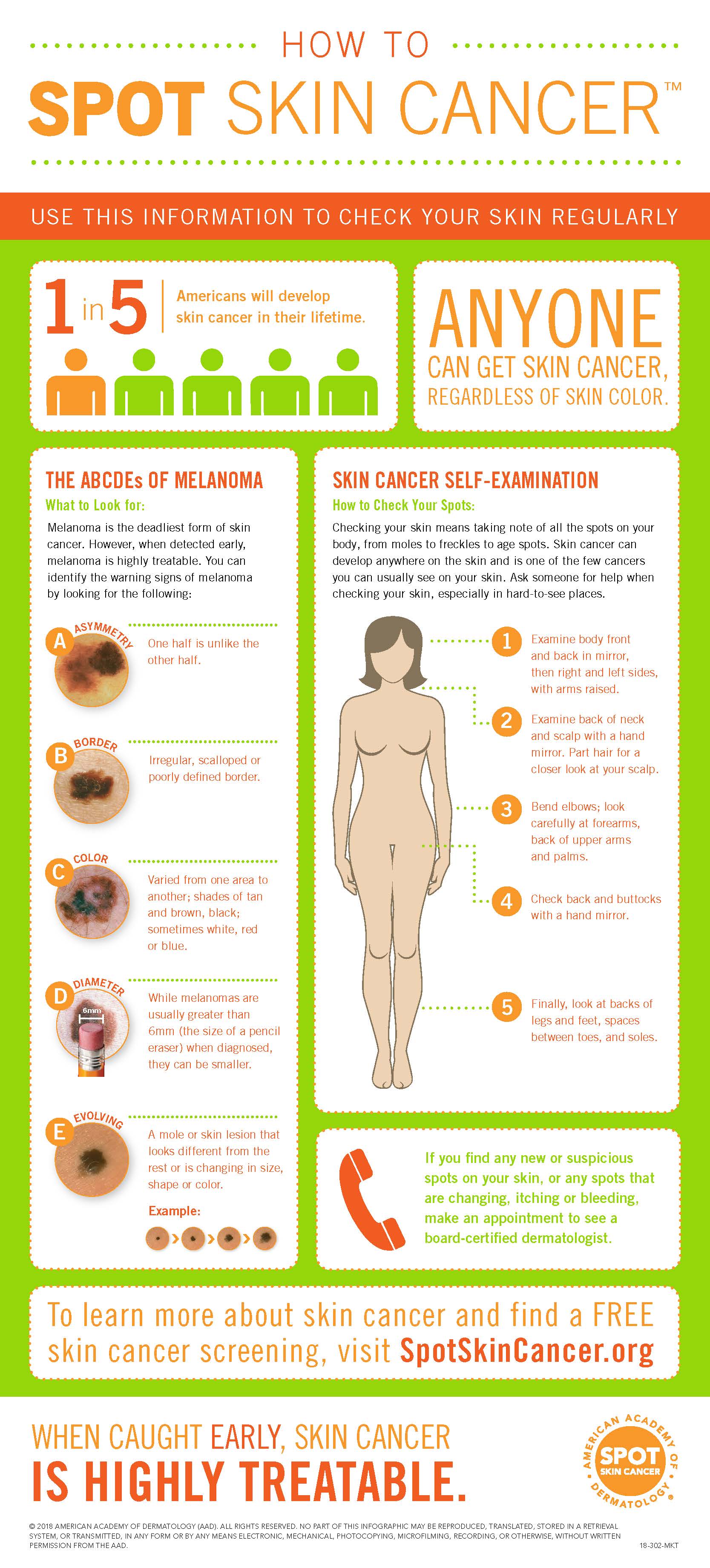
The earlier you find a skin cancer, the easier it is to treat it successfully. Both skin self-examinations and professional skin exams are useful in the early detection of skin cancers, including melanoma, the deadliest form of skin cancer. The most common skin cancer, with over a million cases diagnosed annually, is basal cell carcinoma (BCC). Basal cell carcinomas rarely metastasize (spread) and are unlikely to be fatal. Melanoma is less common than either basal or squamous cell carcinoma (the second most common skin cancer), but (when advanced), much more likely to spread throughout the body and lead to death. Therefore, it is essential to detect melanoma early, because the deeper the tumor grows, the worse the prognosis.
Types of Treatment
- Surgery: Regular Excision or Mohs Surgery
- Freezing
- Scraping
- Radiotherapy
- Chemotherapy
Click here to learn more about Mohs Surgery, the gold standard in skin cancer treatment.
Skin Cancer Checks
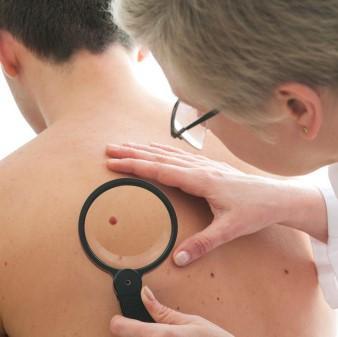
Yearly Skin Cancer Checks are recommended by dermatologists and the Skin Cancer Foundation. This can be more frequent for certain skin types and family history. Skin checks are usually performed by a dermatologists. Dermatologists are trained to visually identify suspicious or changing spots on your body that may be cancerous. A more advanced method of skin cancer screenings are now available with the Vectra360, a new photography device that can take pictures of the entire body and all moles in seconds. These advanced, high-quality images can be reviewed by your dermatologist and can also be used as a baseline for future skin checks to identify changing moles. More information on the Vectra 360 Imaging Device can be found here >>
Types of Skin Cancer
Learn more about the types of skin cancer at the Skin Cancer Foundation.